Discovering how to use emojis on a Mac may take several minutes, but sometimes we face more complicated macOS issues that are truly hard to fix. And this is the time when you may need to reach out to real experts. MacKeeper’s Premium Services team can help you with that—they are available 24/7 and ready to solve tech related problems in the quickest time possible.
If you’re anything like me, you probably share a lot of emojis on your phone. But how do you type emojis on Mac computers?
There are several ways to bring up emojis on Mac:
Use the emoji shortcut on your Mac
Use the Touch Bar if you have one
Add the emoji keyboard to your menu bar
If you want other special characters, such as accents or math symbols, check out our article on Mac keyboard shortcut symbols.
A note from our experts:
Sometimes it’s easy to fix errors on your Mac and learn how to use its software correctly. But other Mac issues require an expert’s consultation. If using emojis is one of them, try our MacKeeper’s Premium Services. Our tech experts provide you with detailed instructions on how to solve your issue.
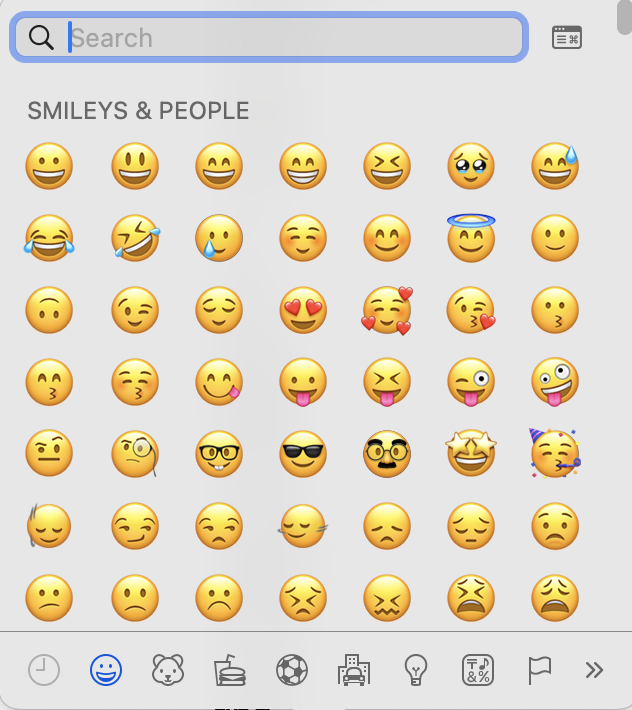
The easiest way to access emojis on Mac is via a keyboard shortcut. Simply press Command+Control+Space, and voila! You’ve got a selection of emojis available.
Before you start, open the app where you want to insert the emoji. Then, bring up emojis on Mac via shortcut:
Press Command+Control+Space.
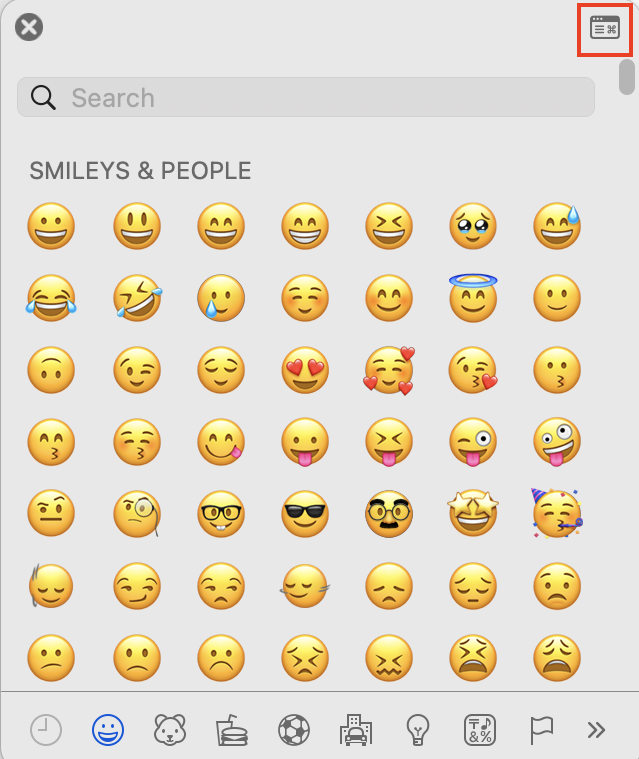
To expand the selection of emojis, click the button in the top right corner.
Double-click on your chosen emoji.
Step 1. Press Command+Control+SpaceStep 2. Click the button in the top right cornerStep 3. Double-click your chosen emoji
How to get emojis on Mac Touch Bar
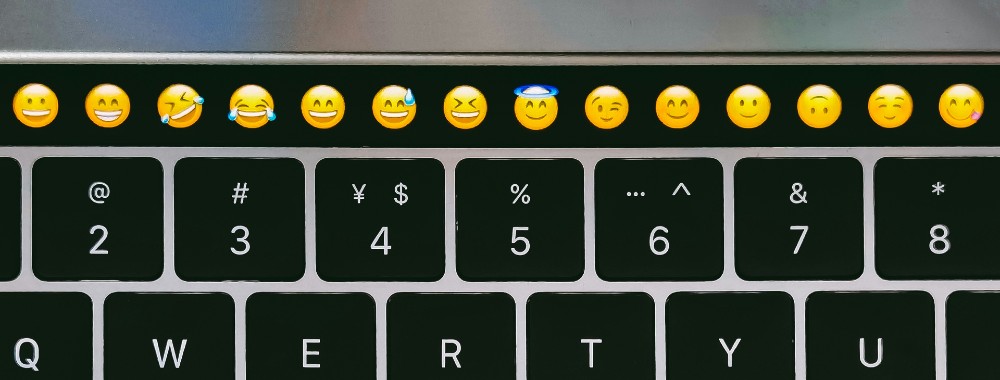
If your Mac has a Touch Bar, you can use this to insert emojis. Click somewhere you can type text, and your Touch Bar will show an emoji button.
To bring up emojis on Mac using the Touch Bar:
Open the app where you want to insert your emoji and click somewhere you can type.
The emoji icon will appear on your Touch Bar. Tap it and choose your emoji.
Our expert’s tip:
Does your MacBook have a Touch Bar? Look above the number keys on your keyboard. If you see a very thin touchscreen, that’s the Touch Bar. It’s only available on certain MacBook Pro models.
How to show keyboard and emoji viewers in the Menu bar
You may not have a Touch Bar and would prefer not to use keyboard shortcuts—perhaps because you’re having problems with your MacBook keyboard not working. Fortunately, there’s another option.
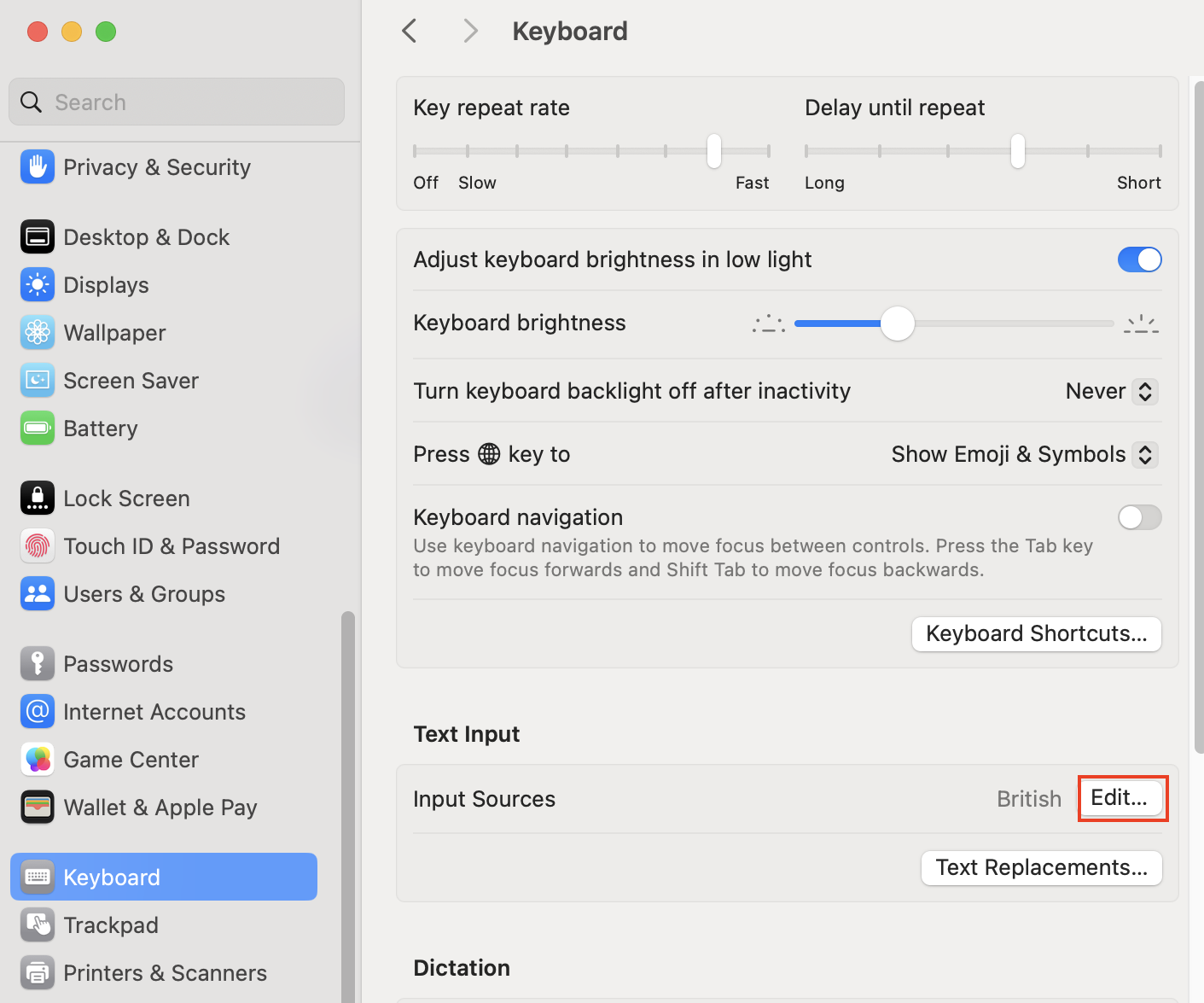
Under System Settings > Keyboard, you can activate a permanent link to the emoji keyboard in your menu bar. This means you can always access emojis on Mac quickly.
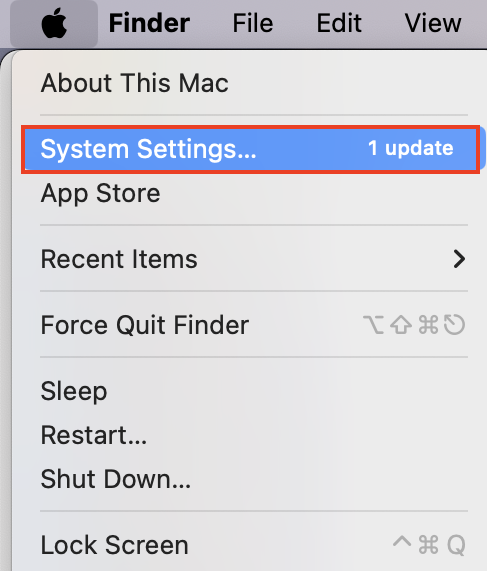
Go to Apple menu > System Settings.
Choose Keyboard and, under Input Sources, select Edit.
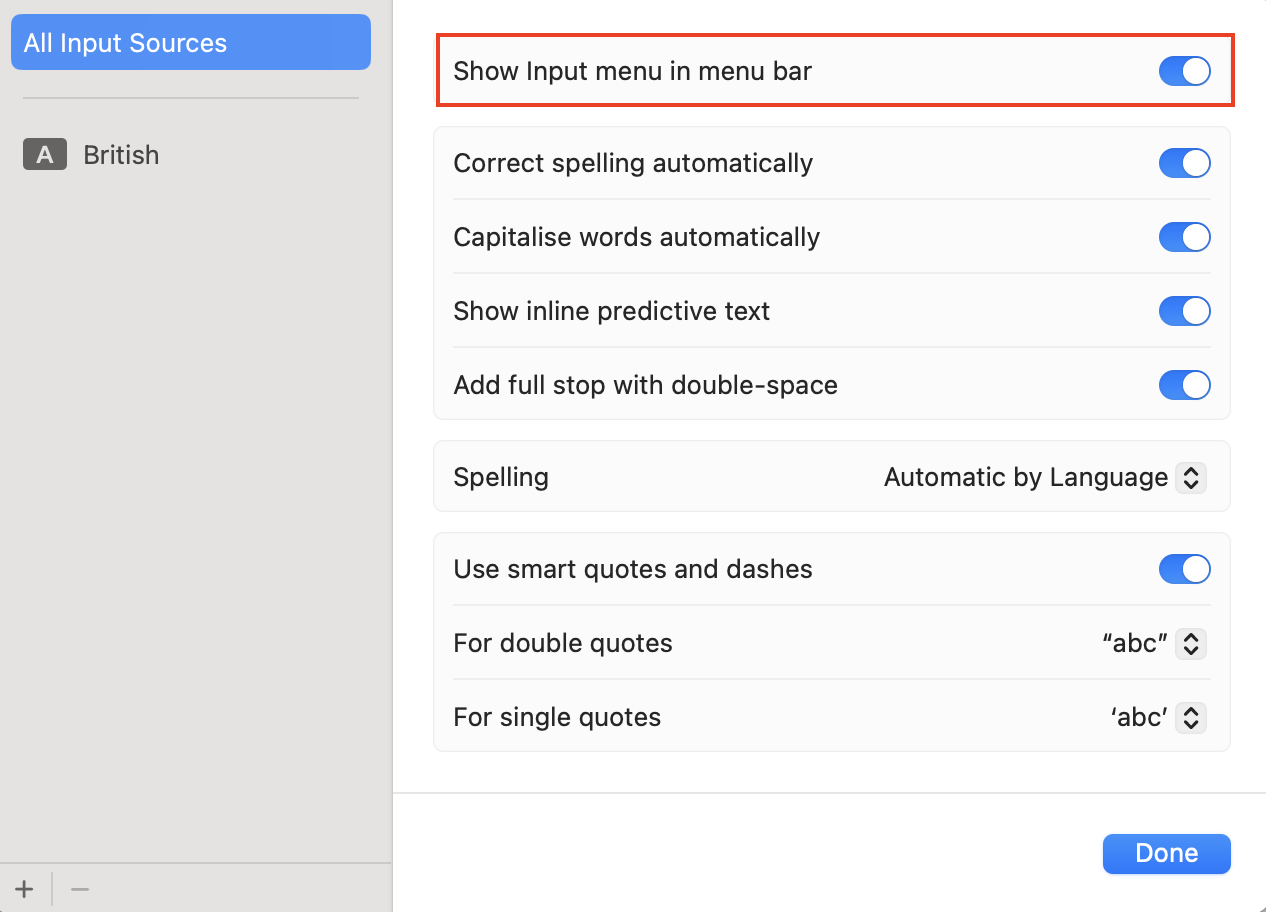
Enable the Show Input menu in the menu bar.
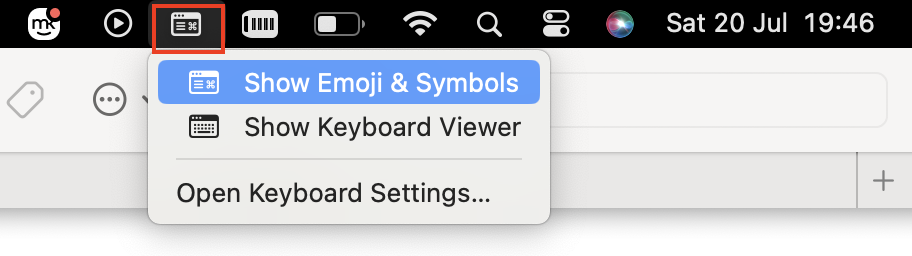
Click the new Keyboard icon in your menu bar, and choose Show Emoji & Symbols. This will bring up the emoji keyboard.
Step 1. Go to Apple menu > System SettingsStep 2. Choose Keyboard, and, under Input Sources, select EditStep 3. Enable Show Input menu in menu barStep 4. Click the Keyboard icon in the menu bar, and choose Show Emoji & Symbols
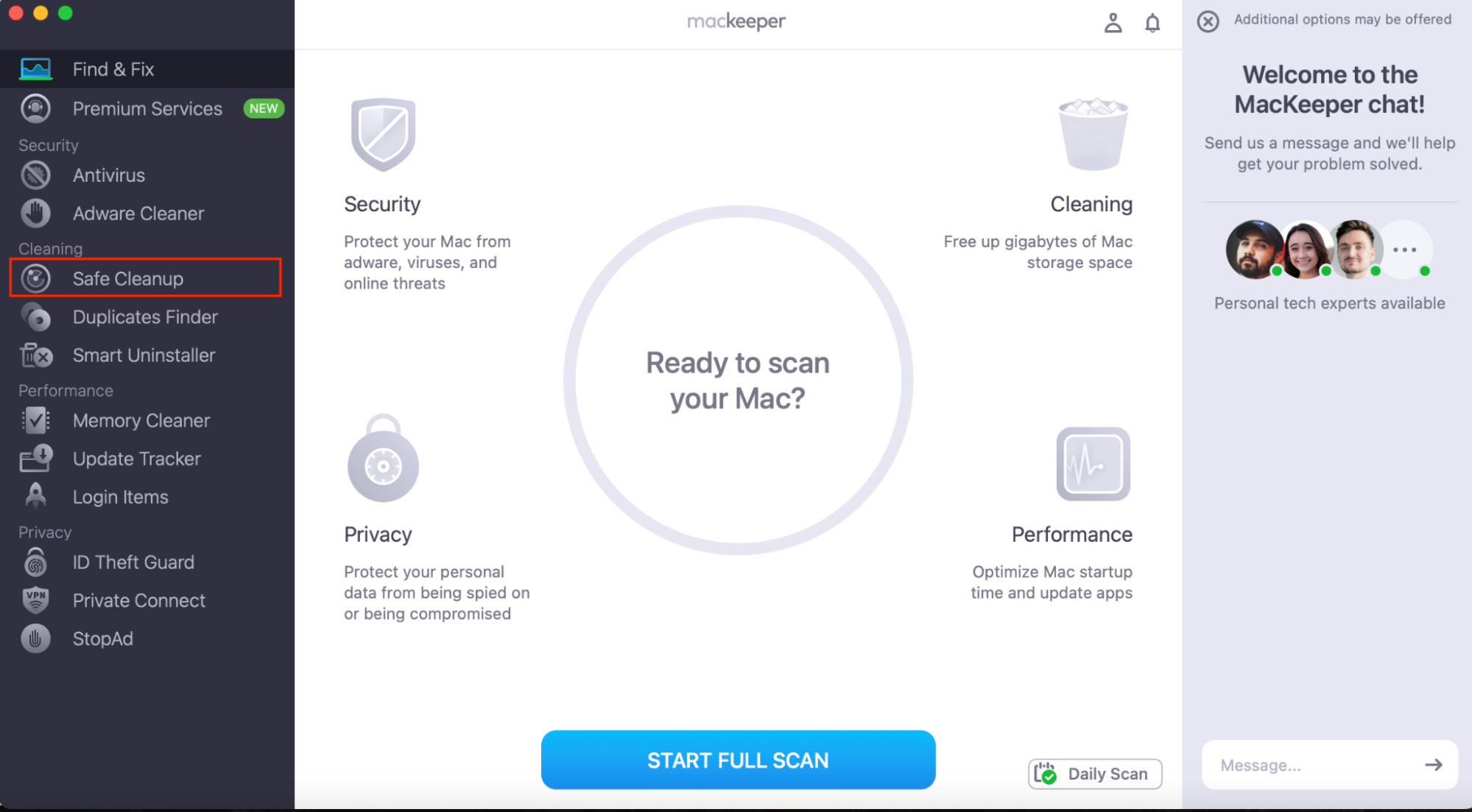
If you’re planning to create lots of new documents full of emojis, you’ll want to make sure that you have enough storage space on your Mac. When you’re low on space, it can be tricky to know which files to delete. This is where MacKeeper’s Safe Cleanup can come in handy.
Our app can find and remove a variety of junk files, including:
Choose files to remove, and click Clean Junk Files.
Step 1. Open MacKeeper and choose Safe CleanupStep 2. Click Start ScanStep 3. Select the files you want to remove, and choose Clean Junk Files
Conclusion
As you can see, using emojis on Mac computers is easy. Now, you can pull up the emoji keyboard on Mac and use it every time you write emails, documents, and social media posts—just as though you were writing on your phone.
A note from our team: If you ever want to undo an emoji, simply press Backspace.
If your Mac is filling up too quickly, remember that you can always delete junk files to free up storage space. MacKeeper’s Safe Cleanup can help you find and remove unnecessary files, giving you the extra space you need to store documents on your MacBook.
We respect your privacy and
use cookies
for the best site experience.
Privacy Preferences Center
We use cookies along with other tools to give you the best possible experience while using the
MacKeeper website. Cookies are small text files that help the website load faster. The cookies we
use don’t contain any type of personal data meaning they never store information such as your
location, email address, or IP address.
Help us improve how you interact with our website by accepting the use of cookies. You can change
your privacy settings whenever you like.
Manage consent
All cookies
These cookies are strictly necessary for enabling basic website functionality (including page
navigation, form submission, language detection, post commenting), downloading and purchasing
software. The website might malfunction without these cookies.